

24 November 2025, 06:13 PM IST
A poor night’s sleep can impair alertness, slow reaction times, and increase the risk of injury during workouts, raising an important question: should you rest or exercise the next morning?
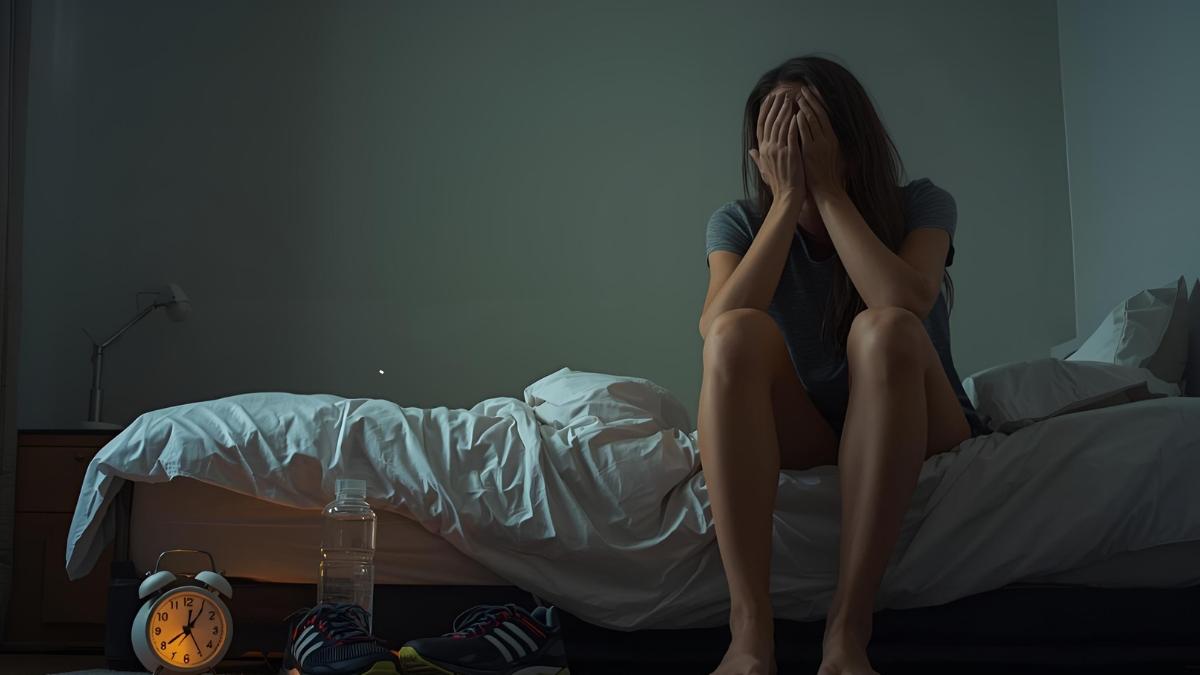
Imagine setting your alarm for a 6 am workout, only to spend half the night tossing and turning. Morning comes, your eyes feel heavy, and you debate whether to drag yourself to the gym or catch an extra hour of sleep.
This is a common dilemma for many people trying to stay consistent with fitness routines. But health research shows that when you haven’t slept well, your body may not be ready for the stress of a proper workout — and prioritising recovery can actually help you perform better in the long run.
Many people push themselves into a workout even after sleeping badly. But science shows the body doesn’t function at its best when it hasn’t rested enough. Poor sleep affects hormone balance, slows reaction time, and reduces focus — all things you need for a safe and effective workout.
Your body repairs itself while you sleep
Sleep isn’t just rest; it’s the time your body fixes muscles, restores energy, supports the immune system, and regulates stress hormones. When you’re sleep-deprived, these repair processes don’t finish. That means you start your day already running low on power.
Why exercising while tired may backfire
Working out when you’re exhausted can lead to fatigue, poor form, and lower performance. Sports studies show that endurance, strength, decision-making speed, and coordination all drop after a bad night’s sleep. This increases the risk of strains, falls, or simply a poor-quality workout.
What poor sleep does to your fitness system
Lack of sleep affects several key functions:
- It disrupts cortisol, your stress hormone.
- It affects hormones that control hunger and energy.
- It slows muscle activation and reflexes.
- It reduces alertness and focus.
Together, these changes make moderate or intense exercise much harder and less safe.
Light movement is okay — heavy workouts are not
If you still want to move, low-intensity activity is fine. A gentle walk, stretching, or mobility work can help you feel better without putting pressure on the body. They also help reduce stress and support your sleep cycle.
What you should avoid after poor sleep:
- High-intensity workouts
- Long runs
- Heavy weight training
- Anything that demands fast reaction and coordination
Resting is sometimes the smarter choice
Missing one workout is not harmful. Forcing yourself to train when you’re exhausted can worsen sleep debt, increase stress, and delay recovery even more. Resting helps your body reset, which leads to stronger performance the next time you exercise.
So, should you exercise or sleep?
The practical rule is simple:
If sleep was very poor, choose rest.
If the lack of sleep was mild, stick to light movement only.
Listening to your body’s signals is essential for long-term fitness, better performance, and overall health.
(Disclaimer:This article is for general information purposes only and is not a substitute for professional medical advice, diagnosis, or treatment. Always consult a qualified healthcare provider if you have specific health concerns, sleep issues, or underlying medical conditions.)
Subscribe to our Newsletter
Get Latest Mathrubhumi Updates in English
Follow
Disclaimer: Kindly avoid objectionable, derogatory, unlawful and lewd comments, while responding to reports. Such comments are punishable under cyber laws. Please keep away from personal attacks. The opinions expressed here are the personal opinions of readers and not that of Mathrubhumi.
