

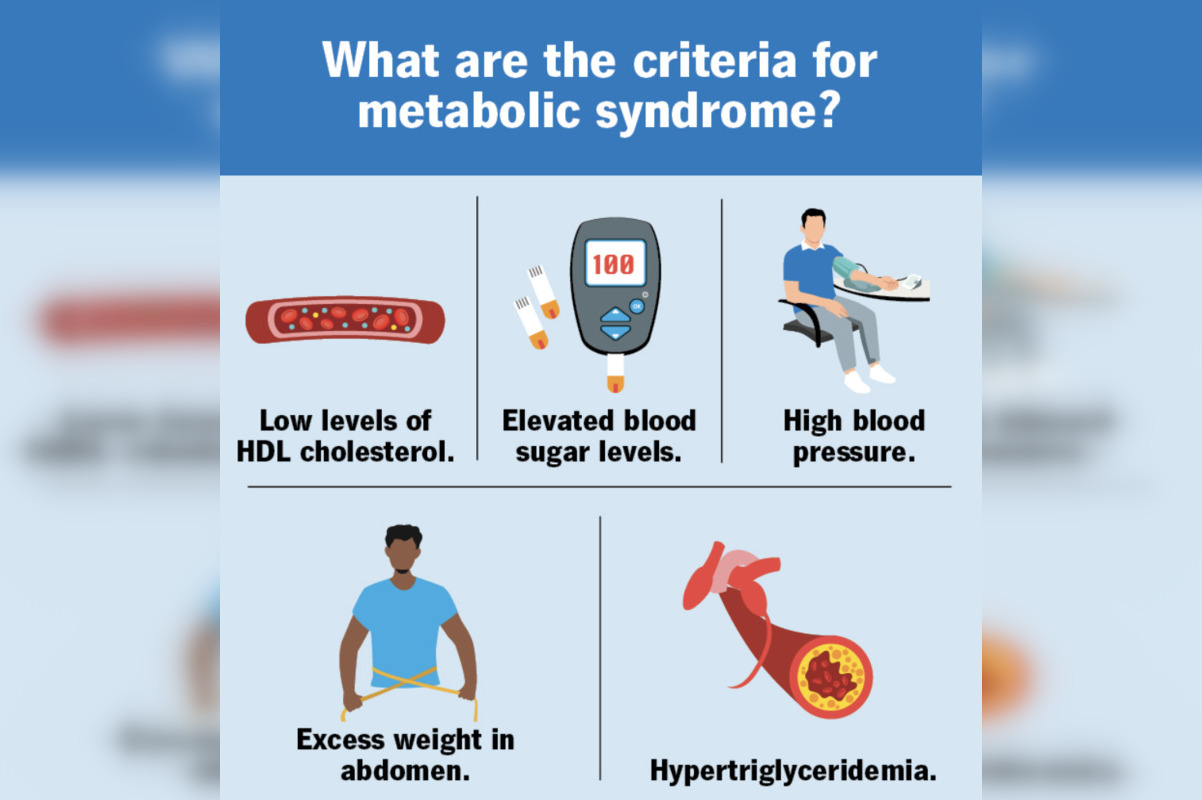
Assessing your risk for metabolic syndrome is important, as it can increase the likelihood of developing conditions such as heart disease, stroke, and diabetes. The syndrome is typically identified when an individual meets at least three of the following five criteria: high waist circumference, elevated triglycerides, low HDL cholesterol, high blood pressure, or elevated fasting blood sugar, according to the City of Jacksonville.
It is important not to ignore these signs. Like prediabetes, metabolic syndrome can increase the risk of developing type 2 diabetes over time if left unaddressed. Regular check-ups and lifestyle adjustments are key preventive measures. Monitoring your health and understanding your risk factors can play a critical role in prevention.
In addition to medical screenings, lifestyle changes can help reduce the risk of metabolic syndrome. Maintaining a balanced diet, engaging in at least 150 minutes of moderate exercise per week, getting sufficient sleep, and managing stress are all practical steps that can support overall health.
Persistent stress can affect blood sugar and blood pressure levels, making stress management important for metabolic health. Practices such as mindfulness or yoga, along with adequate sleep, can help maintain healthy blood glucose levels. A balanced diet and regular exercise are also key components, with an emphasis on fruits, vegetables, whole grains, lean proteins, and healthy fats. Most forms of exercise can be adapted to accommodate individual physical limitations.
A diagnosis of metabolic syndrome or prediabetes represents a key moment to take action for your health. Making consistent, manageable lifestyle changes can have a significant impact on overall well-being. Regular medical check-ups, physical activity, and stress management are practical steps that can help improve health outcomes.
