

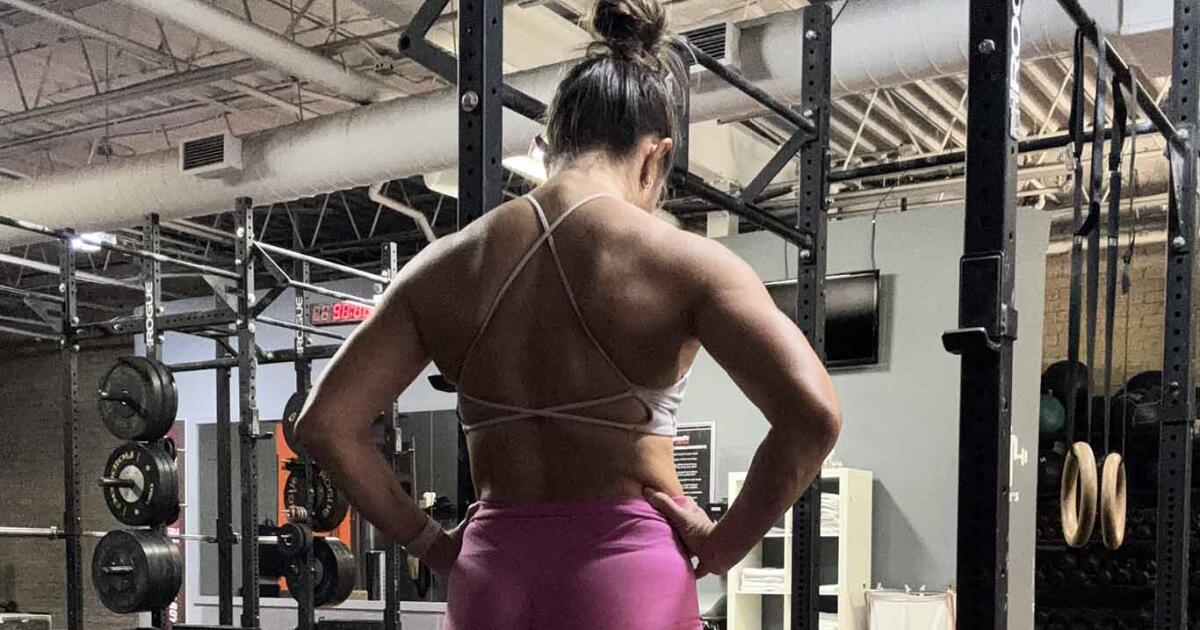
Hitting 50 isn’t the beginning of the end. It’s the start of a new chapter. I should know. I started CrossFit aged 50. Even though I had been a triathlete before, I had no idea even how to grip a barbell, and I couldn’t even do a pull-up. It was intimidating to start something new, and my body definitely responded differently when I was in my 20s and 30s. Recovery took longer, sleep was a little less consistent, and my joints, a bit creakier. But I knew I wanted to feel strong, capable for as long as I could, so I soldiered on.
RELATED: Is Your Hydration Routine Actually Working?
Live & Well
Align your week ahead with longevity tips, wellness hacks, and expert insights from LA Times Studios.
By continuing, you agree to our Terms of Service and our Privacy Policy.
Five years later, I’m stronger, healthier, and handling aging and menopause with more confidence than ever. Over the past several years, I’ve coached many men and women who came to me saying, “I just want to feel like myself again.” The good news? You just need to focus on what really matters… the fundamentals that move the needle.
Here are five core habits that reshaped my strength, energy, and mindset after 50:
1. Strength + Cardio: The Power Duo
The most important thing you can do for your health after 50 is get stronger. Period. Muscle is your best defence against aging. It keeps your metabolism humming, supports your joints, protects your bones, and gives you the confidence to move the way you want. Without strength training, you can lose 1-2% of your muscle mass every year past midlife. And that loss affects everything from energy to balance. Those creaky knees of mine have actually improved with CrossFit.
I love my barbell and going to my CrossFit gym, but you don’t need a gym full of fancy machines. You need resistance. Weights, bands, your own bodyweight, maybe a set of adjustable dumbbells down the road. And consistency. Focus on compound movements that train multiple muscles at once: squats, presses, rows, and hinges. Two or three full-body sessions a week is all it takes to make a huge difference, but remember to challenge yourself.
Then, add in cardio to support heart health and endurance. A mix of steady-state (like brisk walking or cycling) and short bursts of high-intensity work (like intervals or hill sprints) helps your cardiovascular system stay strong and efficient. Think of strength training as building your foundation. And cardio as keeping your engine running smoothly.
RELATED: What is Hyrox? And Why Is Everyone Talking About It?
Discover the newest breakthroughs and insights in menopause
2. Balanced, Macro-Centric Nutrition
At 50, my personal nutrition strategy is no longer about “dieting.” It’s about fuelling my body to perform, recover, and feel its best. It’s also about enjoying food again after decades of restriction, and finding balance in what I put into my body. I really try to focus on finding the right mix of protein, carbs, and fats (macros) in both my own approach to nutrition and my nutrition coaching philosophy for clients.
- PROTEIN is the priority. It’s what builds and preserves muscle, stabilizes blood sugar, and keeps you satisfied. Aim to include a solid protein source – like eggs, fish, chicken, tofu, or Greek yogurt – in every meal.
- CARBOHYDRATES are NOT your enemy. Choose high-quality, fibre-rich sources. Fruits, vegetables, beans, and whole grains. They provide steady energy for those workouts (and your brain) and essential nutrients. I absolutely love my daily sourdough or multigrain toast.
- HEALTHY FATS like olive oil, avocado, nuts, and fatty fish support hormones, brain health, and joint function.
It’s all about finding the proportions & amounts of what you need based on your individual situation, level of activity & goals.
RELATED: Inside Kris Jenner’s Peptide Routine: Can Hair Growth Really Be Biohacked?
3. Manage Stress + Prioritize Recovery
If you’re training hard, trying to eat clean, and still not seeing results, stress might be the missing link. When I was in my 40s, I existed in emergency mode pretty much 90% of the time. I had three young kids, ran my own business, and just tried to do it all. This led to me mindlessly eating or snacking, and sleeping poorly, not to mention just feeling awful all the time. Not the best foundation for health. When I started actively managing my stress and making this practice a part of my actual health & fitness routine, the results were remarkable.
Here are the recovery protocols I started building into my week:
- Taking active recovery days with stretching, yoga, or easy walks.
- Practicing breathwork or mindfulness for a few minutes a day to calm my nervous system.
- Spending time outdoors. Sunlight and nature do wonders for our stress response.
- Scheduling downtime. Yes, I actually plan to rest.
You don’t have to live in a spa to lower stress. You just have to give your body and mind permission to slow down.
RELATED: Sharper Days, Deeper Zzzs: What Blue Light Glasses Really Do
4. Move Every Day + Work on Mobility
I started building in mobility “snack breaks” into my day about 2 years ago. Getting up every hour from my desk and doing 2-3 minutes of walking around, plus simple mobility moves to loosen everything up. I also made an effort to get outside for at least 10 minutes to walk every day (even in a Canadian mid-winter).
I was sceptical that such a tiny effort could make a difference, but it was almost magical. I went from feeling broken to feeling like I was 30 again. Daily movement keeps your joints healthy, your blood flowing, and your energy steady. It’s not about “burning calories,” but about keeping your body functional and pain-free.
As we age, the hips, shoulders, and spine lose range of motion unless we actively train it. Five to ten minutes a day of simple movements – think hip circles, thoracic twists, or cat-cow stretches – can make your body feel years younger. Get up and move throughout the day. Walk after meals. Stretch when you wake up. Take the stairs. Do a few air squats or shoulder rolls between calls. Every little bit adds up.
RELATED: How What We Eat Is Reshaping the Mental Health Conversation
5. Improve Sleep Hygiene
You can lift, eat, and meditate all you want…but if your sleep is poor, your results will stall. Sleep is where your body repairs muscle, balances hormones, and restores your brain, yet so many of us still struggle. And honestly, this is an area I still struggle with. A combination of menopause and stress means that some nights aren’t fantastic, but I have made huge improvements by actively focusing on these habits:
- Keep a consistent bedtime and wake-up time. Even on weekends.
- Make your room cool, dark, and quiet.
- Avoid screens, caffeine, and alcohol close to bedtime.
- Build a wind-down routine. Light stretching, reading, or journaling to signal to your body it’s time to rest.
Focus on Progress, Not Perfection
When you’re over 50, chasing perfection is a fast track to burnout. What matters is consistency. Stacking small wins that build over time. You don’t need a total life overhaul. You just need to master the fundamentals: move often, eat well, train with purpose, manage stress, and recover deeply. Every positive habit you build reinforces the next. It’s never too late to feel strong, capable, and confident again.
