
Holistic medicine emphasizes care of the whole person body, mind, emotions, lifestyle, environment and sometimes spirit rather than simply treating isolated symptoms. When this philosophy is applied within Complementary & Alternative Medicine (CAM), it leads to treatment centers that integrate traditional therapies (often rooted in cultural/healing traditions) alongside considerations of lifestyle, prevention and self care.
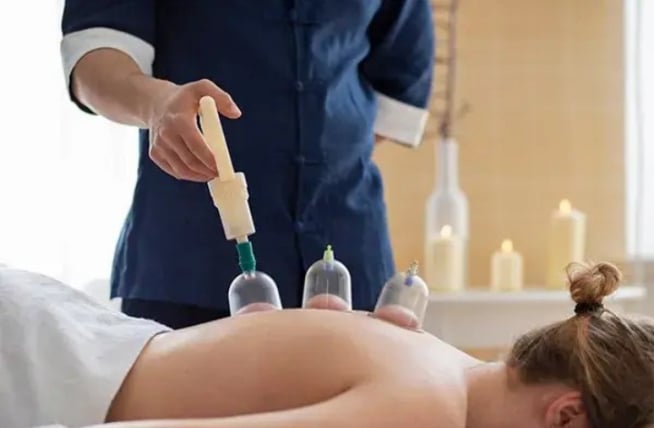
In Ghana (specifically in Kumasi and Accra), centers offering Hijama (cupping) therapy increasingly reflect this holistic CAM intersection. For example, in Kumasi the centre run by Mustapha Bature Sallama offers dry, hot and wet cupping, stating that many clients seek alternatives because conventional medicine “did not fully address their needs”. In Accra, naturopathy and Hijama cupping clinics combine natural/holistic therapies with cupping.
These centers operate under holistic medicine paradigms: full intake of lifestyle, personalized plans, body mind integration (rather than purely mechanical symptom relief), and a preventive/maintenance mindset. But how do they work conceptually from the holistic side (“non‑scientific explanation”) and what does modern science says (“scientific explanation”)? Let’s break it down.
Nonscientific (Traditional Holistic) Explanation
From a holistic/traditional perspective, Hijama (also called wet cupping) is understood in terms such as: removing “stagnant blood”, “drawing out impurities or toxins”, unblocking “energy pathways”, restoring circulation and detoxification, reducing manifold stresses, and balancing the whole system.
In the Ghanaian context, the article on The Ghana Report states:
“This action lifts underlying tissues, increases blood circulation, and eliminates toxins and impurities from the body.”
“Dry cupping, hot cupping, wet cupping … many of his clients are individuals who have had prolonged illnesses and feel that conventional medical treatment has not fully addressed their needs.”
Holistic CAM centers emphasize the following themes:
Whole person focus: The practitioner asks not only about pain or symptom but about lifestyle: diet, stress, sleep, emotional state, social environment.
- Personalized plan: The type of cupping (dry, hot, wet) is chosen based on client’s condition, constitution and goals.
- Detoxification and circulation: Traditional narrative holds that stagnation of blood or fluids leads to pain, illness or low vitality; suction is believed to remove or move this stagnation.
- Mind body interplay: Emotional stress is seen as manifesting in muscle tension, poor circulation, “blockages” so therapy addresses tissue and energy/emotional layers.
- Preventive/maintenance mindset: Therapy is not only for acute problems but for ongoing wellness, to “keeps the system flowing” and avoid future ailments.
For example, a Kund and Ghana article mentioned that clients sought cupping because they felt conventional medicine left unaddressed values so the holistic centre becomes a space for restoration beyond symptom relief.
These traditional explanations do not always use the language of physiology or randomized trials; rather they use metaphor (blockage, stagnation, energy) and practitioner wisdom. In Ghana, centers emphasize safety, cost effectiveness, non‑invasiveness: “safe, cost effective, efficient and non‑invasive” in one quote.
While these narratives are meaningful to clients and consistent with holistic medicine, they do not always map directly to rigorous biomedical mechanisms. That leads us to the scientific perspective.
Scientific (Modern Medicine) Explanation & Evidence
From the modern medicine side, researchers have sought to identify plausible physiological mechanisms for cupping/Hijama, and to assess its effectiveness via clinical trials, systematic reviews, and safety analyses. The results are mixed: there is some evidence for benefits (especially for pain/soft tissue conditions), but limitations and risks remain.
Proposed Mechanisms
Several scientific reviews list theories of how cupping might work:
- Pain gate theory / “gate control” of pain: suction and skin stimuli may activate large fiber afferents which inhibit pain transmission pathways.
- Neurological reflex theory: stimulation of skin and superficial vessels leads to reflex modulation of nervous system, possibly release of endorphins or analgesic mediators.
- Circulation/vascular theory: suction increases local blood flow, microcirculation, perhaps promoting tissue nutrition, removal of metabolites, lymphatic drainage.
- Immune/inflammatory modulation: some research suggests cupping can affect immune cell counts, cytokines, or inflammation pathways.
- Skin tension or tissue deformation theory: the suction mechanically stretches tissue, skin and connective tissue, thereby influencing mechanoreceptors and perhaps altering biomechanical properties. Though promising, these mechanisms remain hypotheses rather than fully validated pathways. A review states: “the mechanism of action … is not fully understood.”
Evidence for Effectiveness
A systematic review of musculoskeletal & sports rehabilitation found low to moderate evidence that cupping helps reduce pain (e.g., low back pain, cervical pain) and improves soft tissue flexibility. A study on hypertension found that wet cupping resulted in significant reduction in systolic blood pressure (from 149.2 to 130.8 mmHg after three sessions) compared to control. A controlled trial in Saudi Arabia for sinusitis found cupping therapy to be “effective, simple, affordable and safe” when used correctly.
However, a broader review of cupping in rheumatic diseases concluded: “still needs more evidence” and “many studies agree that cupping works best when used in combination to pharmacotherapy. Other studies find no clinically significant beneficial role.”
Reviewers and evidence databases note that many trials are of low quality, with high risk of bias, lack of blinding, small sample sizes and heterogeneity of technique. For instance:
“Few randomized controlled trials have examined the effectiveness of cupping (specifically wet cupping)… generally of low quality, with many limitations.”
Safety & Risks
While many practitioners report few adverse events, there are known risks:
Especially with wet cupping (incisions + suction) there is risk of infection, blood borne pathogen transmission, scarring, persistent skin marks, bruising. A review flagged risk of HIV, Hepatitis B and C in certain cases. Hygienic/sterile technique is critical; lack thereof can lead to serious complications (e.g., one case in news of heart infection after improper cupping). Some reviews argue that claims of “detoxification” and that “blood is removed as toxic” are not evidence based; the marks left on skin may be misinterpreted.
Summary of Scientific View
In summary: there is some evidence that cupping/Hijama may help for certain conditions (pain, soft tissue problems) as an adjunct therapy, with plausible mechanisms. But the evidence is not strong enough to declare it broadly effective for many claimed uses (detoxification, systemic illness, serious disease) and there remain questions about standardization, mechanism, cost benefit and safety.
Applying This to Kumasi & Accra Based Centers
In Kumasi
At the Hijama Healing Therapy Centre (HHTC) (Kumasi) the holistic model is clear: the practitioner offers dry, hot, and wet cupping depending on client needs, emphasizing cost effectiveness, safety and a natural alternative to conventional care. From the holistic (non‑scientific) lens: clients come with chronic illness or unresolved symptoms, and the cupping is framed as removing stagnation, promoting circulation, addressing root causes rather than simply symptom relief.
From the scientific lens: when a client presents with musculoskeletal pain, the evidence supports that cupping might help reduce pain and improve flexibility (low to moderate evidence). The practitioner might cite or rely on this. But if broader claims are made (e.g., detoxifying heavy metals, curing systemic illness), the scientific backing is weak.
It’s important that the centre emphasizes hygiene, client education (especially for wet cupping) and appropriate indication (muscle pain, tension) rather than replacing conventional medical care for serious diseases.
In Accra
In Accra, clinics such as the Bossman Naturopathy & Hijama Cupping Therapy Clinic (Accra) combine naturopathic holistic medicine with Hijama cupping. The model implies broader wellness: lifestyle counseling, stress management, diet, herbal therapy plus cupping.
From a holistic perspective: the combination aligns strongly with whole person care: client lifestyle, mind body connection, preventive wellness, and integration of traditional healing modalities into a wellness strategy.
From a scientific perspective: The cupping component may offer some relief for pain/tension; the lifestyle and naturopathic supports may in fact provide meaningful benefit (e.g., better sleep, stress reduction, improved diet) which can reinforce or amplify the cupping effect. The key is that cupping should be regarded as one tool not a panacea and those clients continue to engage with evidence based medical care for serious conditions.
Practical Guidance & Considerations
When you’re considering a Hijama cupping centre in Kumasi or Accra under a holistic model, here are key questions and practical tips:
- Assessment & intake: Does the centre ask about your full health history (medical conditions, medications, bleeding disorders, skin issues, and lifestyle)? Holistic centers should.
- Type of cupping & indication: Are you clear on whether you’re getting dry, hot or wet cupping? What is the rationale for your chosen type? For example, wet cupping involves small incisions and may carry more risk.
- Hygiene & practitioner training: Especially for wet cupping, ensure sterilized instruments, single use cups where needed, safe disposal.
- Client education: Are you advised about aftercare (hydration, rest, avoiding strenuous activity, observe skin changes), contraindications, expectations?
- Integration with lifestyle changes: A good holistic centre will also offer or advise on sleep, nutrition, movement/exercise, stress management. Cupping alone is usually not enough for deeper wellness transformation.
- Realistic expectations: Understand what the evidence supports: pain relief, flexibility, some relief of tension. Be cautious of broader claims (heavy metal detoxification, curing systemic disease) unless backed by good evidence.
- Medical coordination: If you have chronic disease, are on medication (e.g., anticoagulants), pregnant, or have skin/bleeding issues, coordinate with your medical doctor. Cupping can be adjunctive, not always standalone.
- Follow up & outcome monitoring: Keep track of how you feel after sessions (pain levels, mobility, mood, sleep). Holistic centers often emphasize ongoing wellness rather than a one off fix.
Conclusion
Holistic medicine brings to CAM therapies like Hijama (cupping) a comprehensive mindset: treating the whole person, emphasizing lifestyle, prevention and integration of multiple modalities. In Ghana (Kumasi and Accra), we see centers offering cupping therapy under that lens: personalized, lifestyle aware, wellness centered.
From the non‑scientific/traditional side, cupping is framed as drawing out stagnation, improving circulation, releasing toxins, addressing body mind balance. From the scientific side, plausible mechanisms exist (pain gate, circulation, immune modulation), and evidence supports some benefit (especially for pain/musculoskeletal issues) although overall evidence is modest and many claims remain unproven. Safety and standardization remain important considerations.
For anyone contemplating Hijama cupping in such a centre, the key is to engage with a holistic model that also communicates evidence, hygiene and realistic expectations; to regard cupping as a component of broader wellness (lifestyle, stress, nutrition, movement); and to coordinate with conventional medical care where needed.
Mustapha Bature Sallama, (CEO HHTC).
Medical Science communicator.
Private Investigator and Criminal
Investigation and Intelligence Analysis,
International Conflict Management and Peace Building. Alumni Gandhi Global Academy United States Institute of Peace.
[email protected]
+233-556-275-880
